Creating Hydrogen through
Electrolysis of Water
Hydrogen electrolysis is the process of running an electrical current through water (H2O) and separating the hydrogen from the oxygen. Hydrogen electrolysis has met commercial resistance in the past but much of that resistance is now fading. Hydrogen electrolysis now offers much hope for making real the dream of hydrogen cars running upon the hydrogen highways of the world.
|
The Department of Energy’s Idaho National Laboratory has been transitioning away from nuclear power research and into hydrogen power research and development. The Laboratory has been researching and experimenting with producing, separating, storing and using hydrogen in each real world example that one might find in a hydrogen economy. One of the long-standing problems with creating hydrogen from water for commercial purposes though, such as running H2 cars, has been that the voltage required for the process has been inefficient and the cost of the process nearly matches the gain. |
|
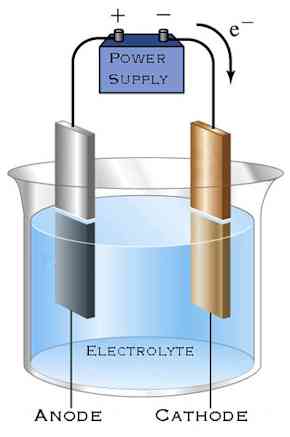
Researchers at two of the U. S. Department of Energy’s other laboratories (National Energy Technology Laboratory and Argonne National Laboratory), though, have found a method to make this process more efficient and economically viable for commercial use. According to the DOE, the Catalytic Decomposition of Water Method “…provides a new route for producing hydrogen from water by using mixed proton-electron conducting membranes. Water is decomposed on the feed surface. The hydrogen is ionized and protons and electrons travel concurrently through the membrane. On the permeate side, they combine into hydrogen molecules.”
Stuart Energy, which has already won many contracts for hydrogen fueling stations across the United States, uses circular electrolysis cells and an alkaline inorganic ion-exchange membrane to produce hydrogen from water. Proton Energy Systems, which has also won contracts in California and across the nation have developed their own PEM hydrogen electrolysis technology called HOGEN. The HOGEN hydrogen generation product is an on-site, one-box, automated system that eliminates the physical delivery of hydrogen to a facility by allowing a company to generate its own hydrogen fuel using electricity and pure water.
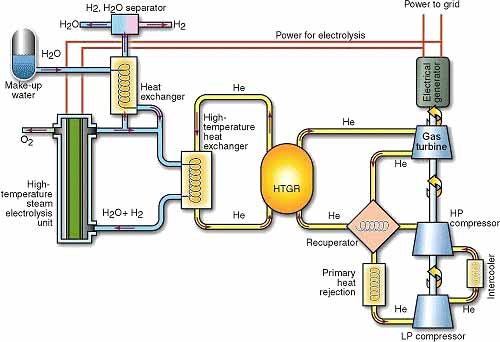
Idaho National Labratory
One the front end of hydrogen electrolysis, many methods currently in use for electrical production can be fitted for hydrogen production as well. Hydro-electrical power from dams, wind-energy and solar energy sources can all be fitted with hydrogen electrolysis units in order to produce enough hydrogen for your hydrogen cars to run on in the future.
It’s only a matter of time before hydrogen electrolysis is used to power our cars, homes and businesses. Remember how long the Internet and cellular phones have been around. Not that long. Hydrogen power will also take the world by storm sooner, rather than later.
Written by Hydro Kevin Kantola