Hydrogen Fuel Cars 1990-1998
Between 1990 and 1998 the hydrogen cars that were being developed were mainly from DaimlerChrysler, GM, BMW, Mazda and Musashi. Virginia Tech had a hydrogen car that won the Future Car Challenge and a fuel cell taxi was introduced into London.
1990 – 1998
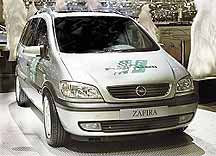 |
The 1998 GM Opel Zafira fuel cell minivan was introduced that year at the Paris Motor Show as the first drivable fuel cell concept vehicle. The GM Opel Zafira fuel cell minivan contains two 25 kw PEM fuel cells and used methanol with an onboard reformer. | |
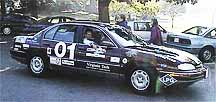 |
The 1998 Virginia Tech University Animul H2 is a converted 1997 Chevy Lumina that won the 1998 FutureCar Challenge even without the fuel cell (delayed in receiving it for the challenge). The Virginia Tech University Animul H2 was a hybrid vehicle that eventually had the fuel cell installed and ran off compressed hydrogen gas. | |
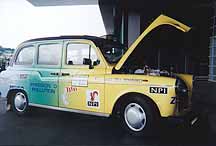 |
The 1998 Zevco Taxi was demonstrated in London that year and had a 5 kw alkaline fuel cell that charged its batteries, which in turn, powered the wheels of the car. Belgium’s Zevco Millennium Taxi used one of the least expensive vehicle fuel cells at the time costing around $15,000. | |
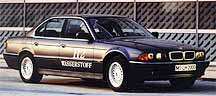 |
The 1998 BMW 728hL was a forerunner to the BMW 750hl. The BMW 728hL was powered by liquid hydrogen running in an internal combustion engine. | |
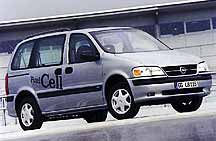 |
The 1998 GM Opel Sintra was first unveiled at the Geneva Motor Show that year. The GM Opel Sintra used a 50 kw PEM fuel cell and was fueled by methanol with onboard reformer. | |
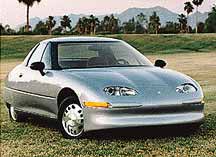 |
The 1998 GM EV1 Fuel Cell vehicle was based upon the all-electric EV1 automobile. The fuel cell was added as a range extender to bring the EV1 to 300 miles. The GM EV1 Fuel Cell was a hybrid that was fueled by methanol with an onboard reformer and could achieve a fuel economy of over 80 mpg. | |
| 1997 | ||
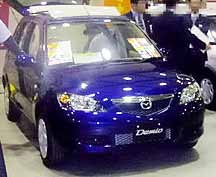 |
The Mazda Demio FCEV was first exhibited at Eco Japan 97. The Mazda Demio FCEV was able to achieve a top speed of 55 mph with a range of approximately 100 miles per tank of compressed hydrogen gas. Using metal hydride storage and a 20 kw PEM fuel cell, the Mazda Demio FCEV is a hybrid using an ultracapacitor for added energy. | |
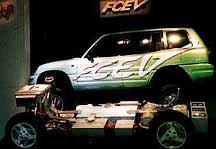 |
The Toyota FCHV-2 used aluminum in the hood, rooftop, fenders and side doors to save weight. The Toyota FCHV-2 uses a 25 kw fuel cell and four storage tanks along with a methanol reformer to power the vehicle. | |
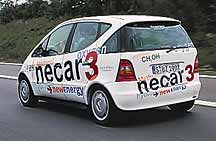 |
The DaimlerChrysler NECAR 3 uses an onboard methanol reformer and 50 kw fuel cell to power the vehicle. The DaimlerChrysler NECAR 3 is based on the Mercedes-Benz A-Class and has a top speed of 72 mph. | |
 |
The Renault Fever was made in collaboration with PSA Peugeot-Citroen and is based upon the Renault Laguna Nevada. The Renault Fever uses a 30 kw fuel cell and has a top speed of 72 mph. | |
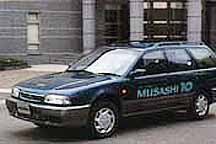 |
The Musashi 10 uses a 4-stroke internal combustion engine with turbocharger to power the vehicle. The Musashi 10 also uses liquid hydrogen and was first exhibited in Japan in 1997 at the Kyoto COP3. | |
| 1996 | ||
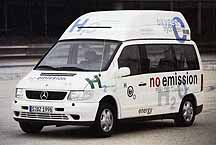 |
The 1996 DaimlerChrysler NECAR 2 is a Mercedes-Benz V-Class 6-seat vehicle first shown in Berlin in 1996. The DaimlerChrysler NECAR 2 had a 50 kw fuel cell system located underneath the back seats and had a top speed of 66 mph with a top range of 150 miles. | |
| 1994 | ||
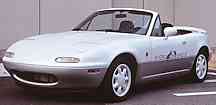 |
The Mazda Miata hydrogen fuel cell car was shown at the 1994 Chicago Auto Show. The 118 horsepower vehicle used large, heavy metal hydride fuel tanks which increased the weight of the car to about 2,700 lbs. | |
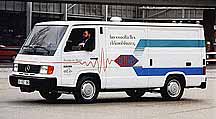 |
The 1994 DaimlerChrysler NECAR 1 was based upon a Mercedes-Benz transporter MB-180 van. The DaimlerChrysler NECAR 1 (New Electric Car) uses a 50 kw fuel cell and compressed hydrogen gas and takes up most of the vehicle saving room only for the driver and front seat passenger. | |
| 1993 | ||
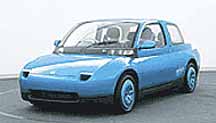 |
The 1993Mazda HR-X2 was first unveiled at the 1993 Tokyo Motor Show. The Mazda HR-X2 used a modified rotary engine and compressed hydrogen gas in metal hydride storage tanks to power the vehicle. | |
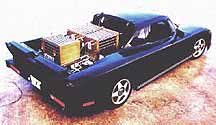 |
The Energy Partners Consulier is a pickup truck that carries its PEM fuel cell and compressed hydrogen tanks in the bed of the truck. The Energy Partners Consulier has a top speed of 50 mph with a range of 200 miles. | |
| 1991 | ||
 |
The 1991 Mazda HR-X used the company’s first all aluminum hydrogen rotary engine with ceramic seals. The Mazda HR-X was introduced at the 1991 Tokyo Motor Show and used compressed hydrogen gas in metal hydride storage tanks. | |
 |
The DaimlerChrysler Mercedes F100 was a research vehicle that made its debut at the North American International Motor Show in Detroit in 1991. DaimlerChrysler Mercedes F100 was a five seat vehicle with the driver in the front middle of the vehicle and room for 2 passengers in the rear seats and 2 in the far rears seats. Powered by a 6 cylinder engine and compressed hydrogen gas, the DaimlerChrysler Mercedes F100 also received some electrical energy from a solar panel atop the vehicle. | |
| 1990 | ||
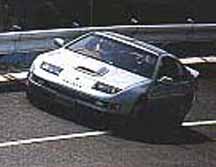 |
The 1990 Musashi 8 is based on Nissan Z 300 and contains a 4-stroke engine with in-cylinder injection. The Musashi 8 used a high-pressure spark ignition mechanism and liquid hydrogen to power the vehicle. |
Navigation
1807-1986 1990-1998 1999 2000 2001 2002 2003 2004 2005
2006-2007 2008-2009 2010-2011 2012-2013 2014-2015 2016-2017
Written by Hydro Kevin Kantola